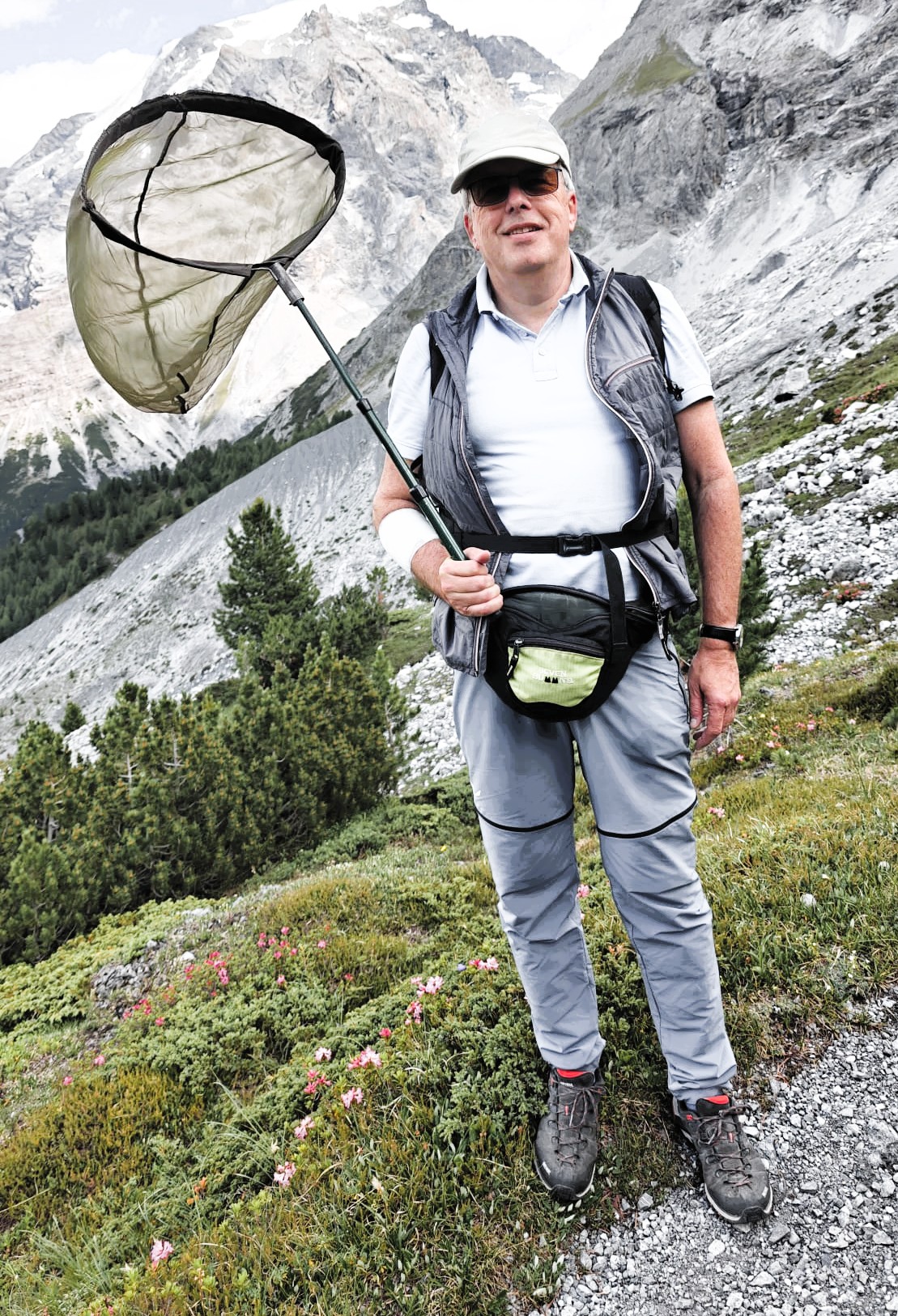
Peter Huemer
- Austrian biologist and butterfly researcher
- Tyrolean State Museum Ferdinandeum, Innsbruck
- Responsible for the discovery of over 100 species of butterfly
Butterflies captivate us with their colours and their grace. Yet they are far more than just beautiful harbingers of summer. In this interview, the Tyrolean biologist and butterfly researcher Peter Huemer from the Tyrolean State Museum Ferdinandeum explains why butterflies are indispensable to our ecosystems, how modern DNA methods are transforming research, and what each of us can do to help protect biodiversity.
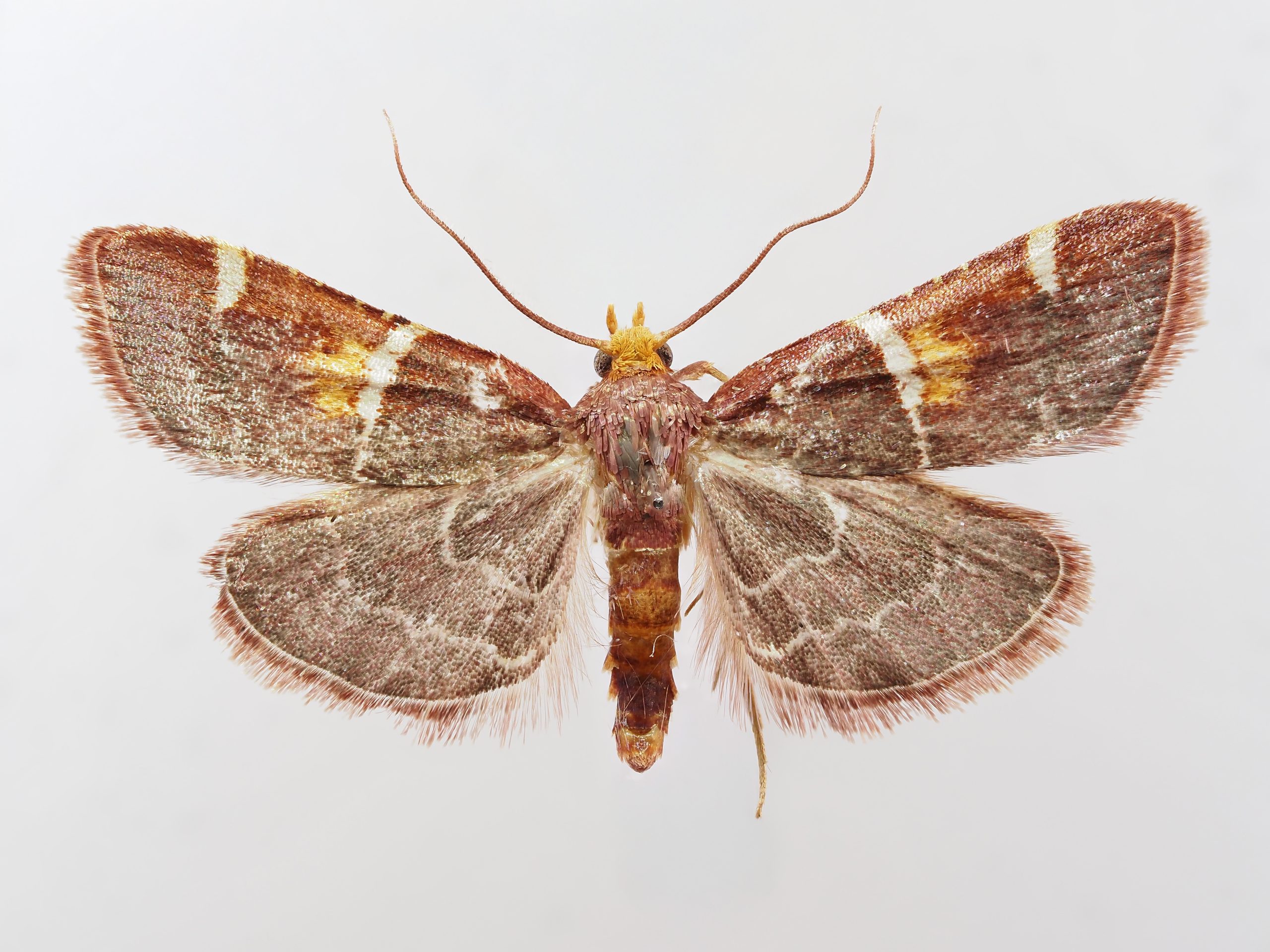
A species of butterfly co-described by Peter Huemer and named after Pope Leo XIV recently attracted international attention. The aim of this unusual naming was to draw public attention to the protection of biodiversity – with great success.
There was a huge response from various sectors and regions around the world. The topic was covered in detail, particularly in media outlets with close ties to the Church. However, there has been no official statement from the Pope. “The name of the butterfly refers to the Pope’s role and not to the person himself,” Peter Huemer goes on to explain.
Butterflies do more than just pollinate
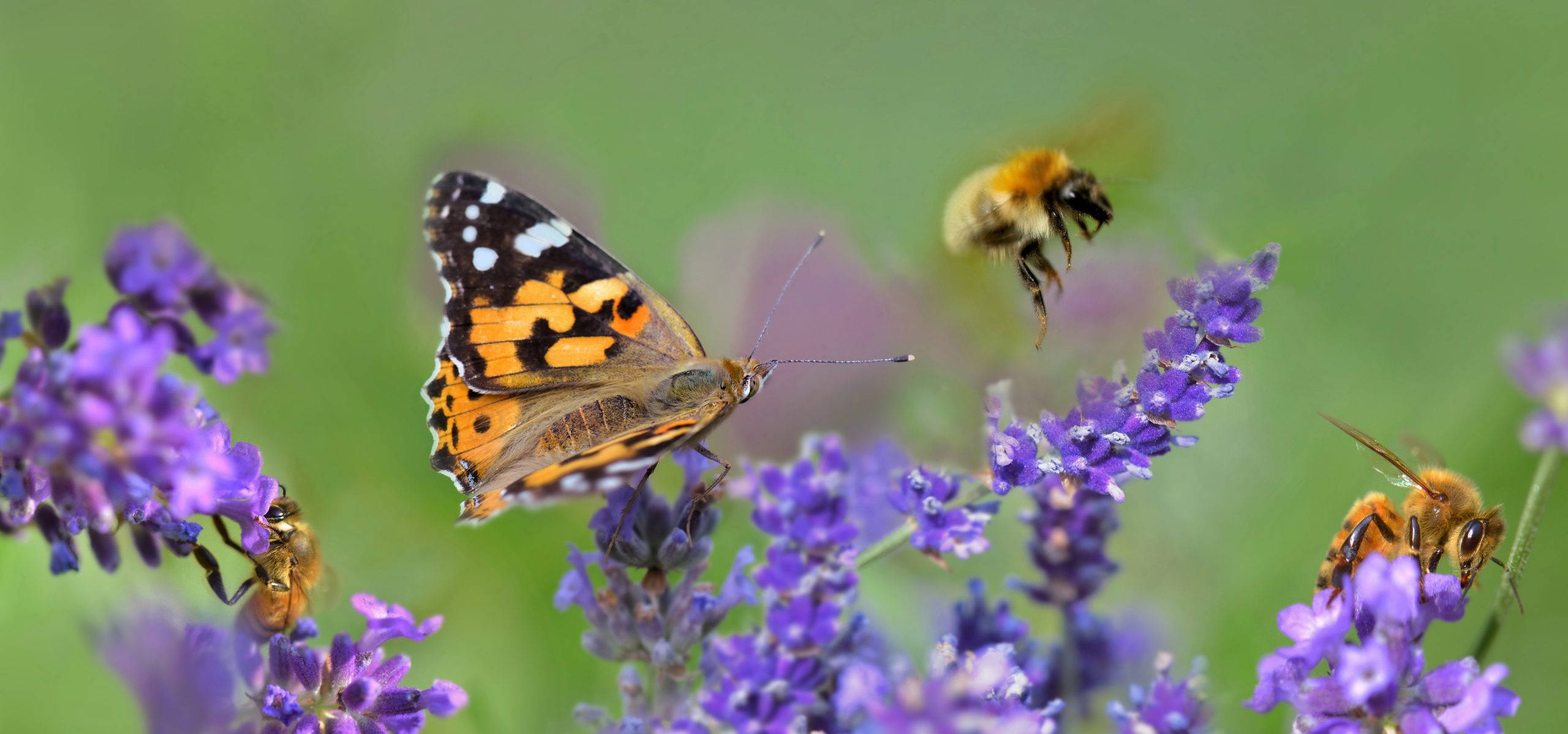
When people talk about pollinators, most immediately think of honeybees and wild bees. Yet butterflies also play an important role. Moths, in particular, pollinate plants whose flowers only open in the evening or whose scent is only released at dusk. In alpine regions, butterflies, together with other insects, make a significant contribution to the pollination of many plant species.
However, their importance extends far beyond this. Caterpillars, pupae and adult butterflies are an important food source for numerous animal species such as birds, bats and spiders. At the same time, caterpillars help break down plant material, thereby contributing to natural material cycles. Butterflies are therefore a vital component of functioning ecosystems and are regarded as valuable indicators of the state of our environment.
What everyone can do
Protecting butterflies often starts right on your own doorstep. Peter Huemer recommends creating natural gardens with native plants, wildflowers and habitats rich in structure. Native trees and shrubs such as willows, maples and fruit trees provide food and habitat for many insects and are far more valuable than exotic ornamental plants.
It is equally important to bear in mind the different stages of a butterfly’s life cycle. Caterpillars require specific host plants, whilst eggs and pupae need sheltered places to overwinter. Mowing less frequently, avoiding the use of pesticides and reducing night-time lighting can make a significant difference, as moths in particular are sensitive to artificial light.
Biodiversity starts with awareness
An important step towards nature conservation is the conscious observation of nature. Species identification apps now enable many people to photograph and identify butterflies and share their observations with researchers. This generates valuable data for science whilst, at the same time, raising awareness of the diversity of our native species and the need to protect them.
Conclusion
Butterflies are far more than just colourful garden visitors. They pollinate plants, are an indispensable part of complex food webs and provide important insights into the state of our environment. Modern DNA analysis opens up entirely new possibilities for research and helps us to better understand biodiversity.
At the same time, our conversation with Peter Huemer shows that everyone can play their part – through natural gardens, native plants and a more mindful approach to our environment. After all, protecting biodiversity often begins right on our own doorsteps.