
DNA-test insect diversity
€ 298,80
Description
Promoting diversity
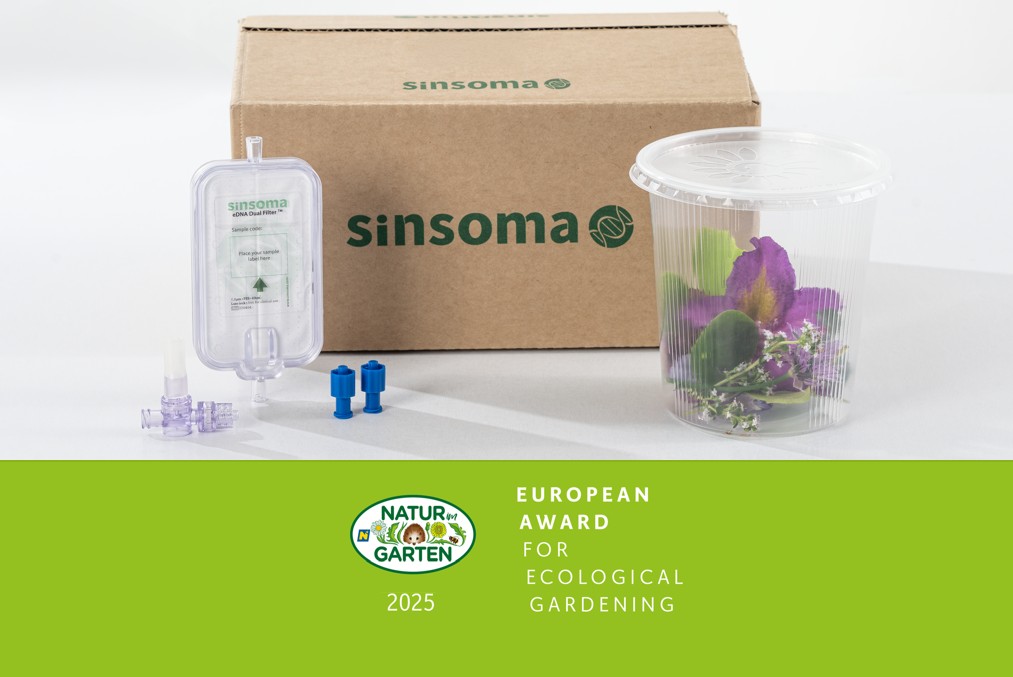
The Sinsoma DNA test ‘Insect Diversity’ can be used to take stock of the existing insect population – whether in a private garden, agricultural fields, large areas such as solar parks or infrastructure facilities.
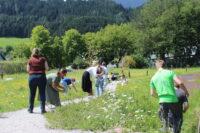
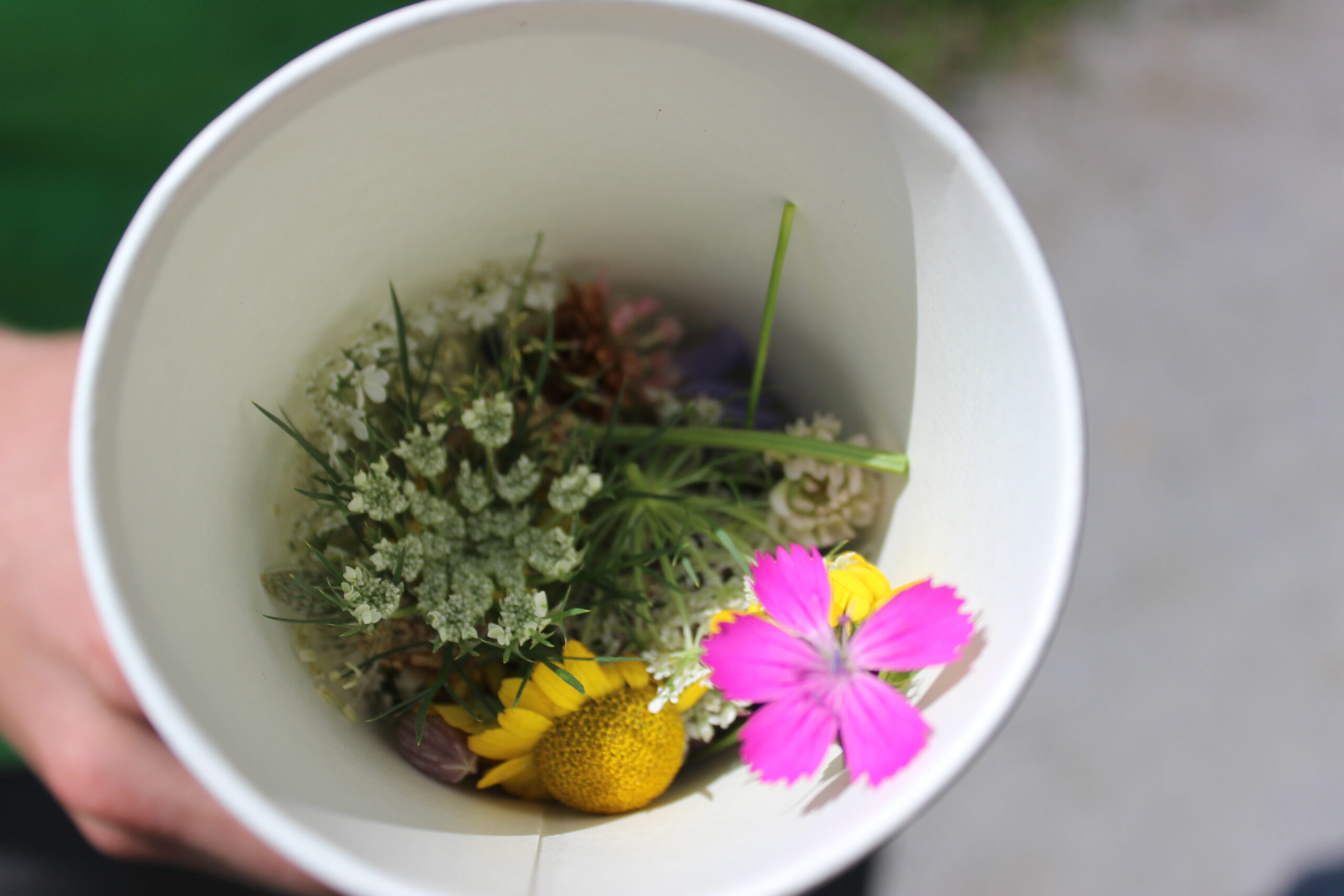
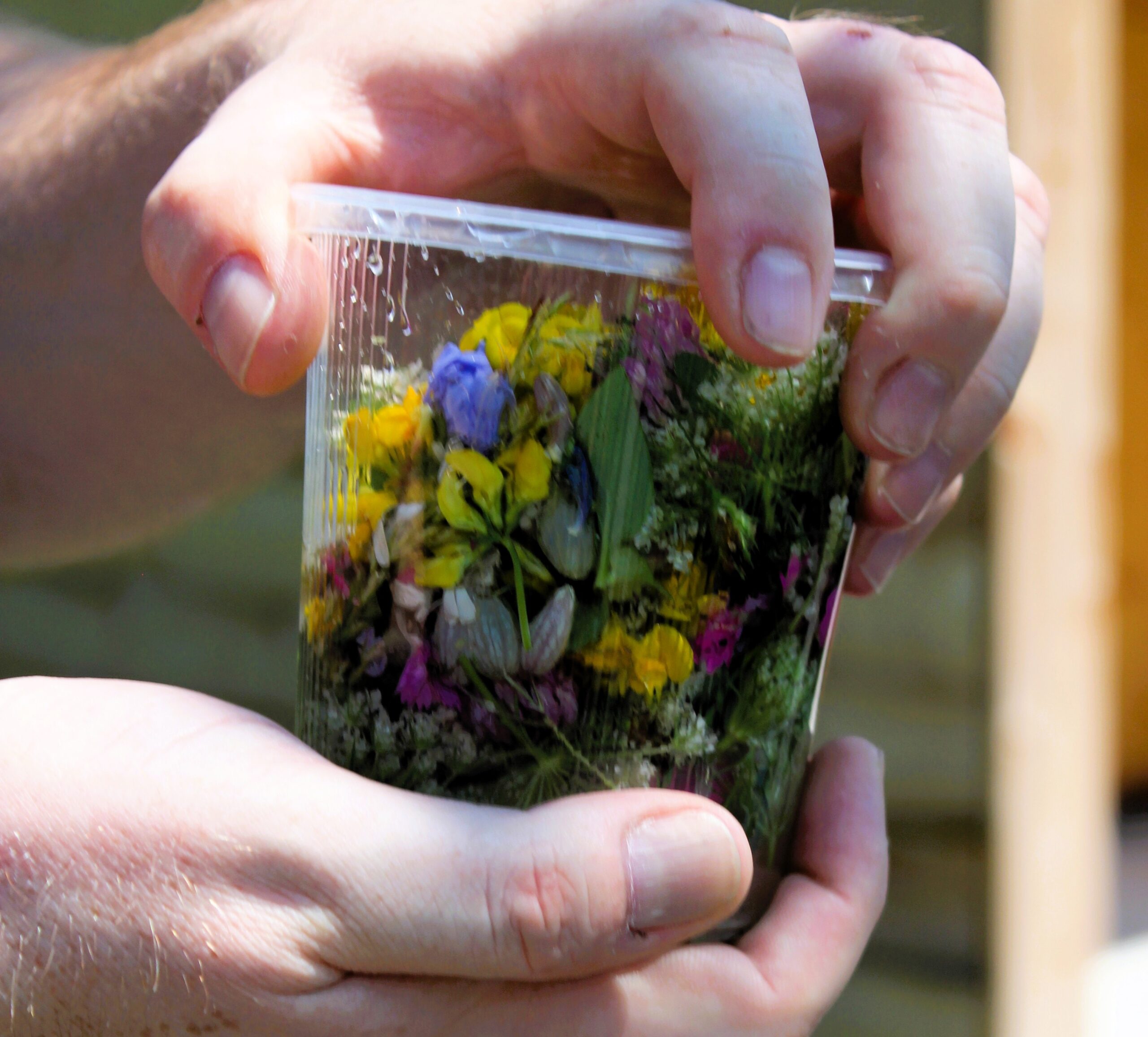
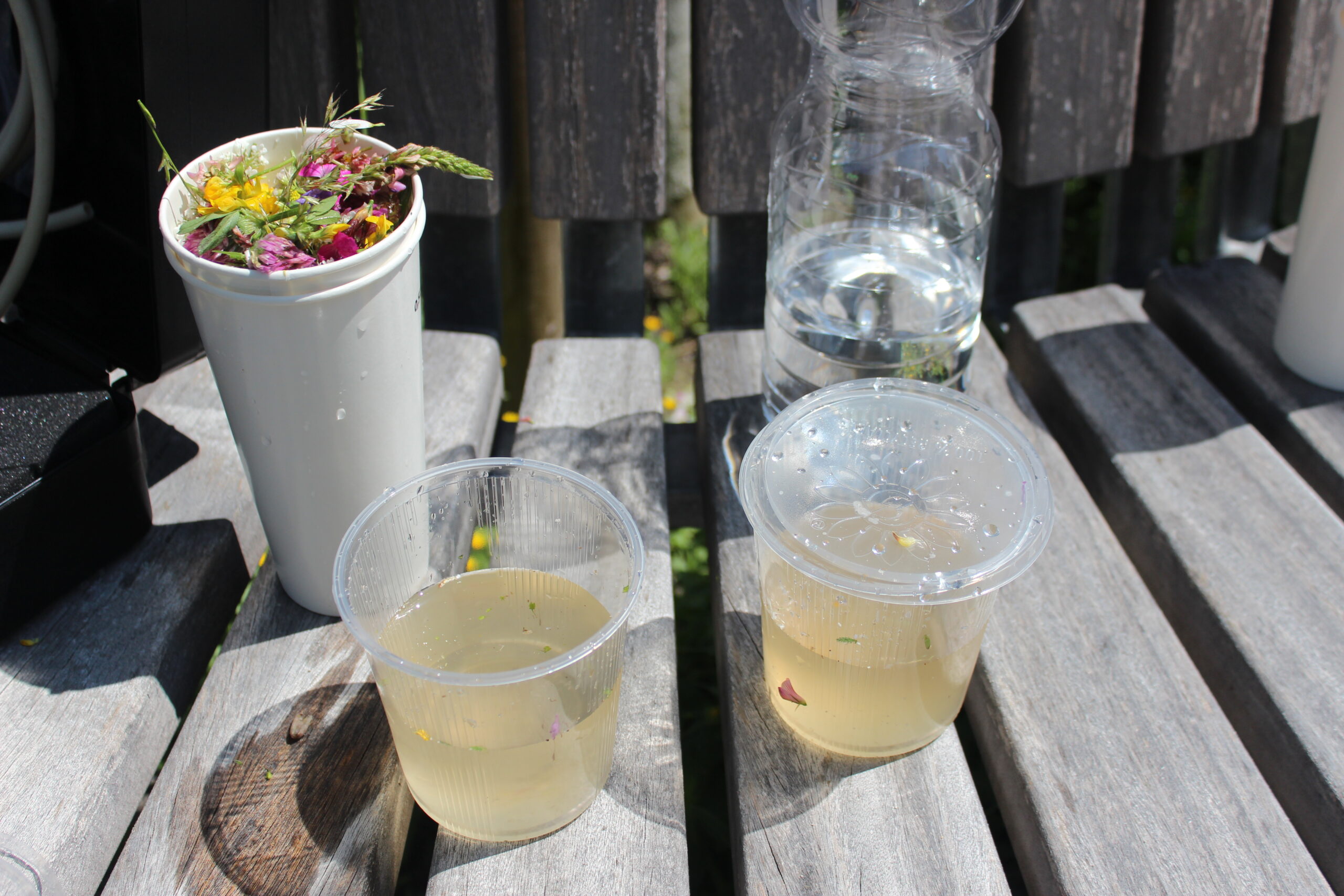
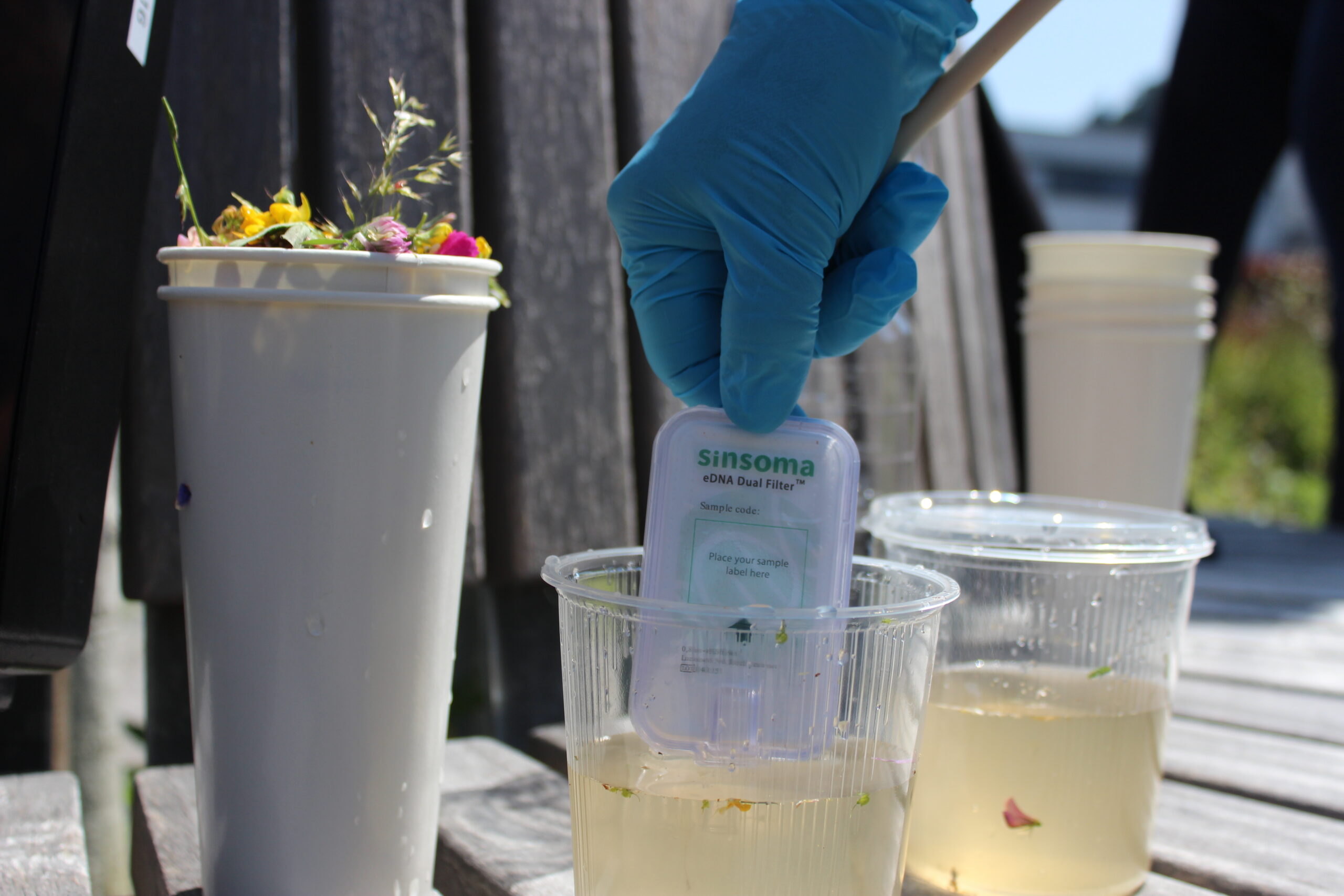
We analyse the DNA traces of flower visitors and can thus determine insect diversity without having to catch the animals. To do this, flowers are collected, washed and the DNA filtered from the wash water. We then analyse this DNA in the laboratory.
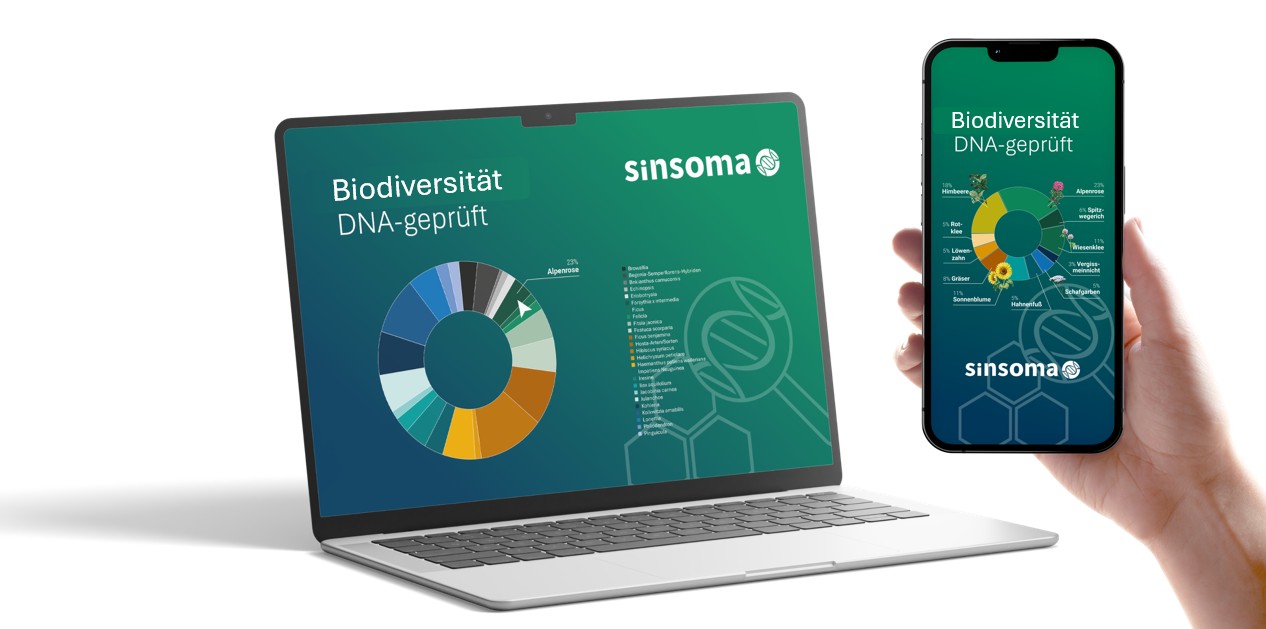
You will receive a detailed overview of all existing animal species with graphical presentation and thus fact-based key figures on botanical species diversity. The DNA test can also be used to continuously measure the success of your measures.
We are also happy to advise you on promoting biodiversity.
Who has an advantage?
- Private gardens: Interest in what is happening in one’s own garden and the desire to increase diversity.
- Companies: Reporting on targets set within the framework of corporate social responsibility and environmental social governance, reviewing measures taken to promote the biodiversity of pollinators, employee events during sampling, use of appealingly presented content and key figures for marketing.
- Natural pond owners, hotel complexes, tourism: Diverse and unspoilt nature is a way of life for us humans and an important factor, especially in tourism. You are proud of your unspoilt natural landscape, which is teeming with pollinators – show off the biodiversity it contains!
- Authorities: Make the insect diversity in your region visible and measurable, and check the success of your measures quickly and with little effort. We are happy to advise you on implementation!
Presentation of results & examples



AWARD
This analysis earned us the
‘EUROPEAN AWARD FOR ECOLOGICAL GARDENING 2025’.